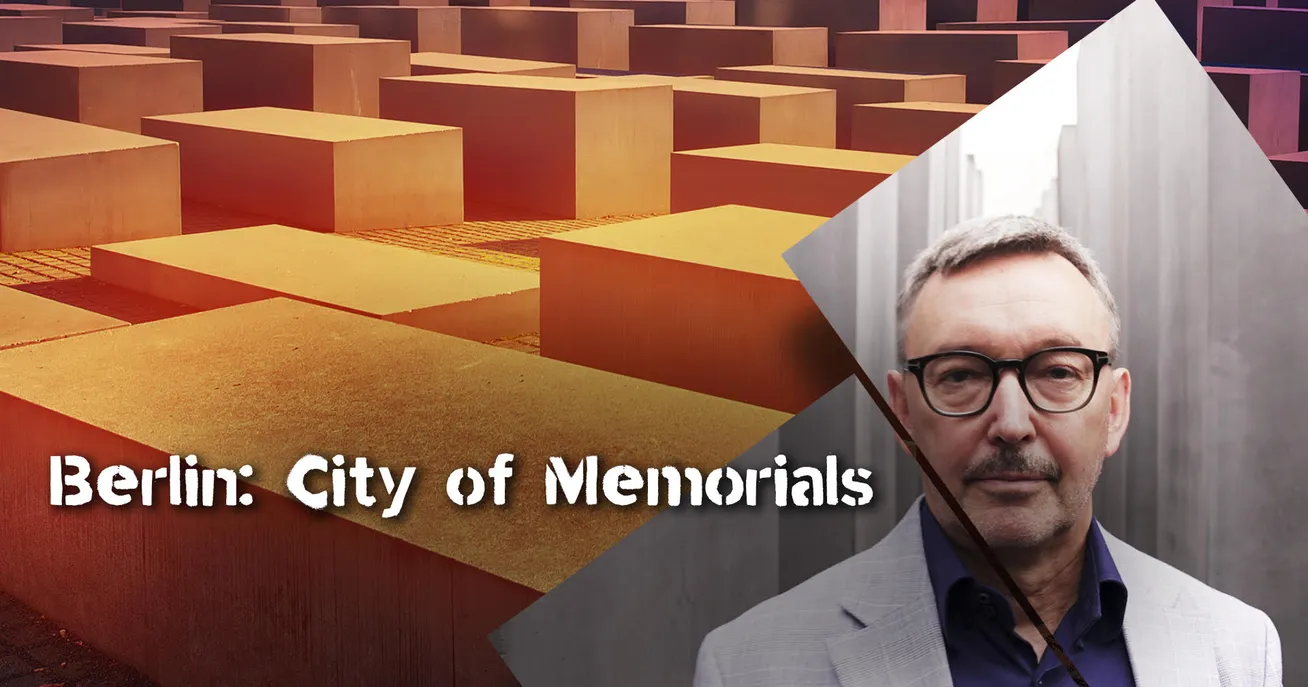
Dr. Klaus Mueller is an independent filmmaker whose work explores the long-term repercussions of the Holocaust on LGBT history. Throughout his career, he has examined how personal testimony shapes historical understanding and collective memory, focusing on individuals whose experiences have often been marginalized or excluded from public narratives. A central thread in Mueller’s work is the recording and interpretation of personal testimony. Across museums, film projects, and international initiatives, he has consistently worked with individual life narratives as a means of understanding historical violence and its aftermath. Rooted in oral history practice, this approach has informed his work across Holocaust documentation, LGBT history, and contemporary human rights contexts. Alongside his filmmaking, he has taught and written about film history.
Selected Film and Documentary Projects
• Mueller was initiator, research director, and associate producer of the award-winning documentary PARAGRAPH 175 (2000) which profiles gay survivors of Nazi persecution. Mueller has worked with gay survivors since the early 1990s.
• He was assistant director and assistant producer of the Dutch documentary BUT I WAS A GIRL (1999) which is based on his extensive 1994 oral history interview with lesbian Dutch resistance fighter Frieda Belinfante in Santa Fe, New Mexico. See 2021 USHMM Pride Month: Defying Nazi Persecution on Frieda Belinfante.
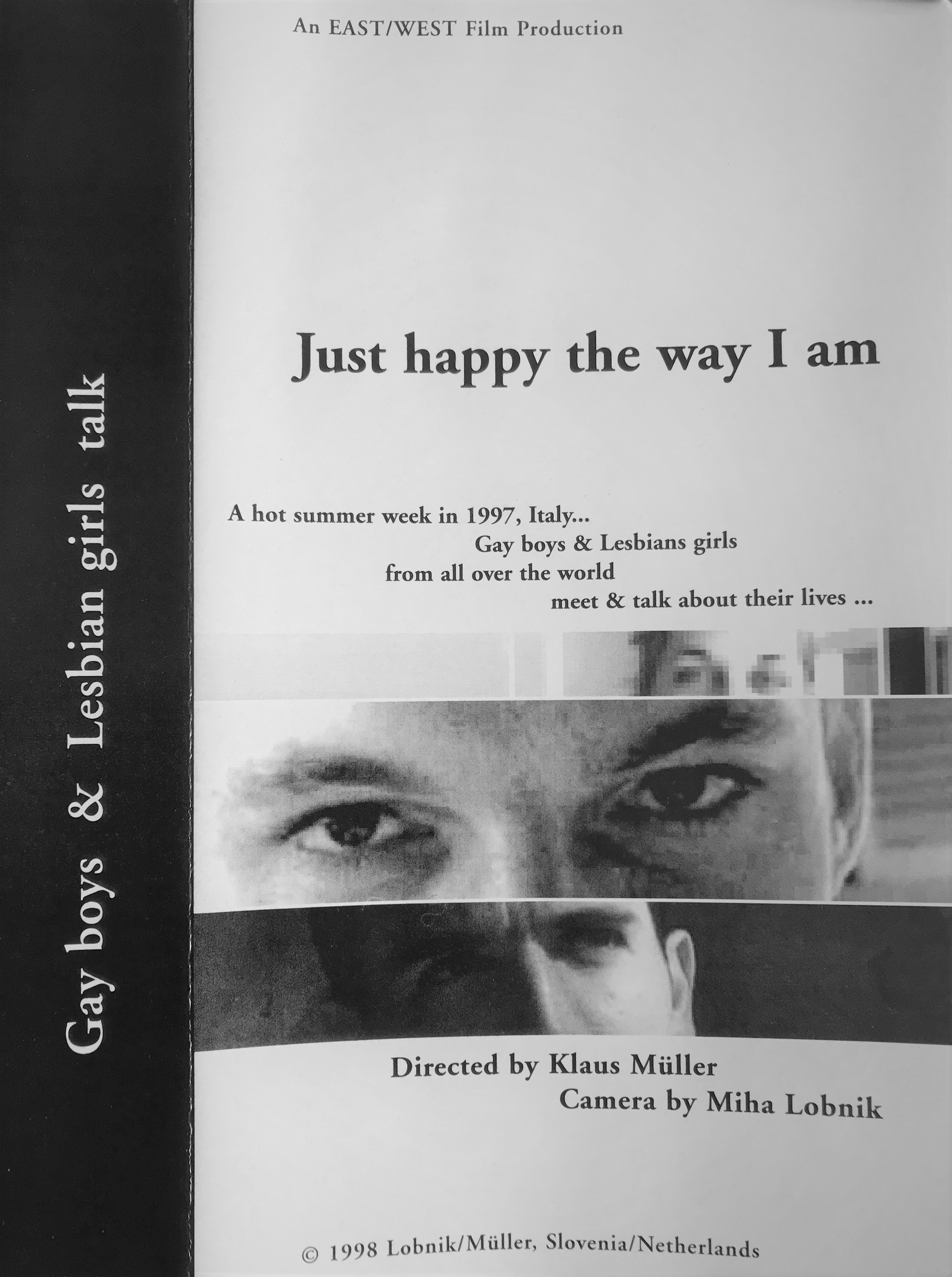
• In 1998, Mueller co-produced and directed JUST HAPPY THE WAY I AM on LGBT Youth and their experience of homophobia and fascism.
• In 2017 Mueller directed FAMILY IS…? A GLOBAL CONVERSATION, which explores the complexities of LGBT lives within their families of birth, their families of choice and the families they raise.
• In 2018, he was interviewed by Iranian director Maziar Bahari in the documentary 82 NAMES: SYRIA, PLEASE DON’T FORGET US. See also interview film.
• As a historian and adviser, Mueller worked with Eurovision Song Contest winner Duncan Laurence in 2022 on a documentary about the LGBT+ COMMUNITY DURING WWII.
• In 2022, he was interviewed about his work as an oral historian for a series of video lectures on INTERVIEWING GAY SURVIVORS, produced by “Hear Our Voices”, a project of Carleton University, Canada.
• Between 2022-2024, Mueller served as the historical and dramaturgical consultant on the 2023 NETFLIX Documentary ELDORADO: EVERYTHING THE NAZIS HATE. The documentary tells the story of the world’s first highly visible queer community and its destruction under National Socialism.
• In 2023, Mueller was interviewed by Austrian filmmaker Fritz Kalteis for the bio-documentary PERSECUTED LOVE – THE MEN WITH THE PINK TRIANGLE on gay survivor Heinz Heger (Josef Kohout). Mueller helped to preserve Kohout’s original pink triangle and a larger collection of family correspondence relating to Kohout’s incarceration in Flossenbuerg concentration camp through his cooperation with Kohout’s long-term partner. The collection is now accessible at the United States Holocaust Memorial Museum. See also comment on the significance of Heinz Heger’s memoir.
• In 2023, Mueller collaborated with Iranian director Maziar Bahari on six short films, BERLIN: CITY OF MEMORIALS, in which he explores the history, architecture, and contemporary relevance of Berlin’s memorials on location.
• Based on his early and extensive research on Gottfried von Cramm, including work in the Library of Congress, Mueller was interviewed in 2023 by German director Annette Baumeister for the documentary PLAYING TO SURVIVE: VON CRAMM VS HITLER (2024), which explores the life of one of the twentieth century’s great tennis champions and his relationship with Jewish actor Manasse Herbst in Nazi Germany. See Trailer (2024).
Teaching and Writing about Film
• Mueller taught film and cultural history at the University of Amsterdam (1993-2002), conducted public film programs on gay survivors at the United States Holocaust Memorial Museum (1993-1999), and developed and led film seminars at the Friedrich-Ebert Foundation and Goethe-Institute Amsterdam (1990-1993). He has written film and cultural criticism for the Frankfurter Allgemeine Zeitung, Frankfurter Rundschau, Homologie, and De Groene Amsterdammer, and has published academic articles and lectures on film and cultural history since 1988.